Linking Banking Preferences to Responsible Play Tools in Environments Combining Poker, Tables, and Progressive Slots
Blake Meier · Nov 10, 2026

Linking Banking Preferences to Responsible Play Tools in Environments Combining Poker, Tables, and Progressive Slots
Operators in venues that blend poker rooms, table games, and banks of progressive slots have begun connecting player banking selections directly to responsible play systems, and this linkage allows deposit methods to trigger automated safeguards without requiring separate user actions each time. Data from regulatory filings in late 2026 shows that integration of these preferences with limit-setting tools increased compliance rates by measurable margins in several jurisdictions.
Payment Methods as Entry Points for Protection Features
Banking preferences serve as the initial data point that systems use to activate features such as session timers, loss thresholds, and reality-check prompts, while players who select e-wallets or prepaid cards often see these tools engage faster than those using direct bank transfers. Research indicates that certain payment rails carry built-in verification layers that operators map to moderation protocols, creating a seamless flow from deposit to monitoring without interrupting gameplay across poker tables or slot banks.
November 2026 brought updated reporting requirements in multiple regions, and these updates required operators to document how banking data feeds into responsible play dashboards for mixed gaming environments. Figures from state-level oversight bodies reveal that venues adopting this approach recorded higher rates of voluntary limit adjustments during the same period.
Hybrid Environment Challenges and System Responses
Environments that combine live poker, dealer-hosted tables, and progressive jackpot slots present distinct technical hurdles because transaction volumes and game speeds differ across each format, yet unified banking linkages help standardize protection delivery. Systems now route preference data through central platforms that apply consistent rules whether a player moves from a poker table to a slot machine or remains at one station for extended sessions.
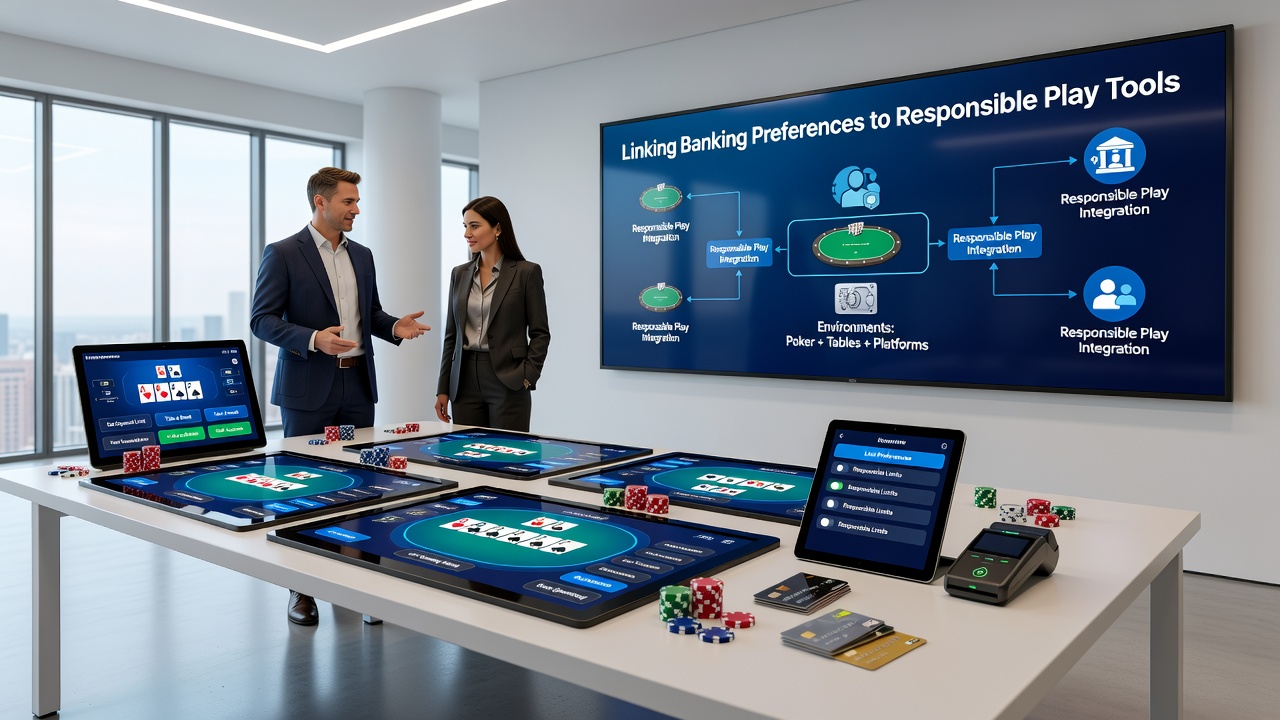
One study released in 2026 examined facilities in North American markets and found that players who linked credit or debit options to their accounts received earlier notifications when approaching preset thresholds compared with those using cryptocurrency or voucher methods. Observers note that the variance stems from processing speeds and verification requirements inherent to each payment type.
Regulatory Developments and Data Integration Practices
Authorities in several Canadian provinces and Australian states have issued guidance encouraging operators to treat banking preferences as core inputs for responsible play configurations, and these directives emphasize interoperability between payment processors and moderation software. Reports compiled by the Australian Gambling Research Centre detail how venues track deposit patterns to calibrate automated interventions across diverse game types including progressive slots and table games.
Implementation often involves mapping each accepted payment method to specific risk profiles, after which the system applies tailored tools such as cooling-off periods or spending caps. Data compiled through November 2026 indicates steady growth in facilities adopting these mappings, particularly where progressive jackpot pools create high-stakes environments alongside standard table play.
Practical Examples from Operational Venues
Take facilities that introduced preference-based linkages in early 2026: staff observed that players using certain digital wallets triggered deposit-limit reminders at higher frequencies than those relying on cash-based alternatives. Another case involved a multi-format property where integration of banking data with table-game terminals allowed real-time updates to session reminders without requiring players to re-enter preferences when switching between poker and slot areas.
Industry reports from the Nevada Gaming Control Board document similar patterns, noting that venues combining these game categories achieved more consistent application of responsible play features once banking selections became the central reference point. The approach reduces reliance on manual player requests and instead embeds protections within routine transaction flows.
Conclusion
Connections between banking preferences and responsible play tools continue to expand in venues that operate poker, tables, and progressive slots together, and the practice relies on data mapping rather than separate user interventions. Figures released through late 2026 demonstrate measurable shifts in how operators apply these linkages, with regulatory frameworks in multiple regions supporting further refinement of the systems. Continued documentation of outcomes will clarify long-term effects on player behavior across these hybrid settings.