Mapping Funding Pathways to Moderation Features Across Hybrid Gaming Platforms
Felix Patterson · Oct 13, 2026
Mapping Funding Pathways to Moderation Features Across Hybrid Gaming Platforms
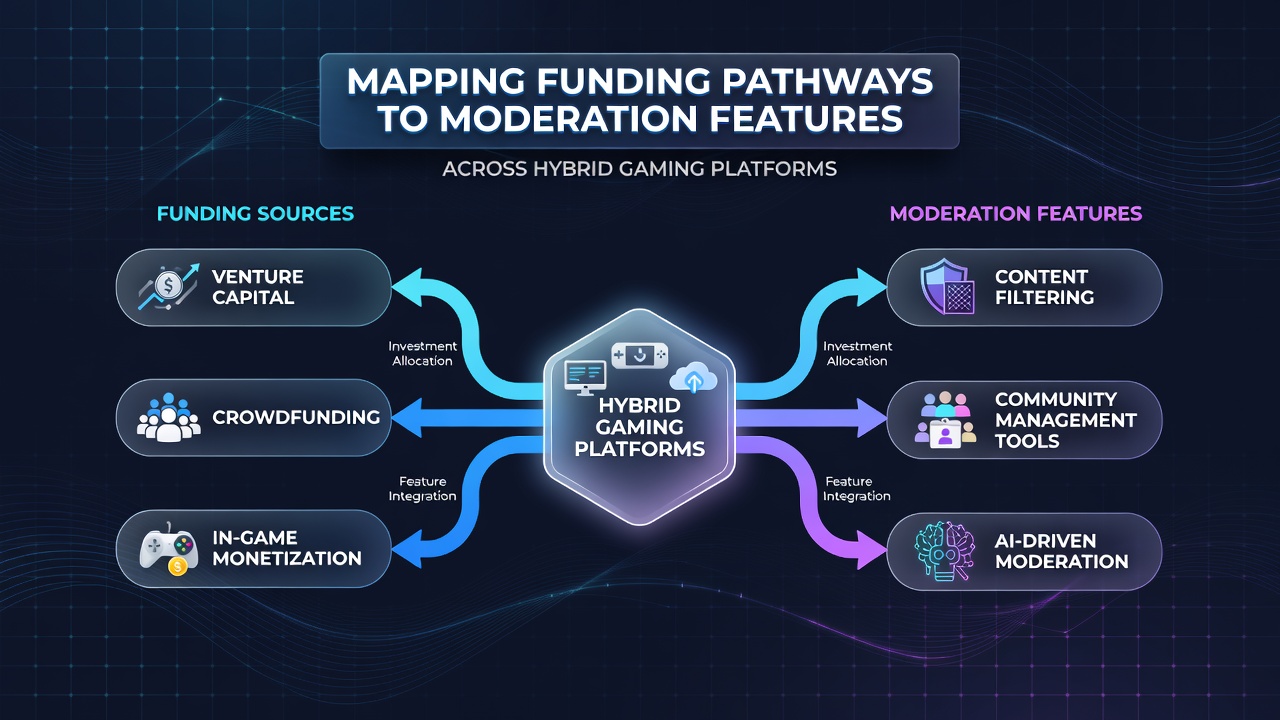
Hybrid gaming platforms combine console, mobile, and PC environments with user-generated content systems, and funding pathways to moderation features follow structured routes from corporate budgets, regulatory allocations, and third-party investments. Companies allocate resources through internal compliance divisions that prioritize tools for real-time content review, automated filtering systems, and human oversight teams. Data from industry reports shows these allocations increased steadily through 2025 and into October 2026 as platforms expanded cross-device functionality.
Primary Funding Sources and Allocation Patterns
Corporate revenue streams supply the largest share of moderation funding, with major developers directing portions of subscription fees and in-app purchases toward safety infrastructure. Regulatory bodies in multiple regions require documented spending on user protection measures, which creates additional channels where public funds supplement private investment. Researchers at institutions tracking digital entertainment note that platforms operating under the European Union Digital Services Act must demonstrate dedicated budgets for risk assessments and moderation upgrades, while similar requirements appear in Canadian and Australian frameworks.
Investment firms focused on technology sectors have also channeled capital into startups specializing in AI-driven moderation, creating indirect pathways that reach hybrid platforms through acquisitions and partnerships. Figures released in mid-2026 indicate these investments supported feature rollouts on platforms handling both live multiplayer sessions and persistent user-created worlds.
Pathways Connecting Funds to Specific Moderation Tools
Once allocated, funds move through several documented stages before reaching operational features. Initial budgets pass to engineering teams responsible for integrating machine learning classifiers that flag prohibited content across text, voice, and image uploads. Subsequent stages involve training programs for human moderators who review escalated cases, and these programs receive separate line items within annual operating plans.
Platform operators often route portions of funding through external vendors that provide scalable cloud-based filtering services. This approach allows hybrid systems to maintain consistent moderation quality whether users access games on mobile devices during commutes or on home consoles during extended sessions. Observers tracking October 2026 deployments note that several platforms completed upgrades to cross-device reporting interfaces using precisely these vendor partnerships.
Regional Variations in Funding and Implementation
North American platforms tend to emphasize voluntary industry standards supported by trade associations, whereas European operations follow more prescriptive reporting requirements tied to legislative mandates. Australian regulators have introduced grant programs that reimburse qualifying moderation expenses for smaller hybrid developers, creating a distinct pathway not widely replicated elsewhere. Data compiled by research groups shows these regional differences produce measurable variations in feature availability, with platforms serving multiple jurisdictions maintaining separate compliance ledgers to satisfy each set of rules.
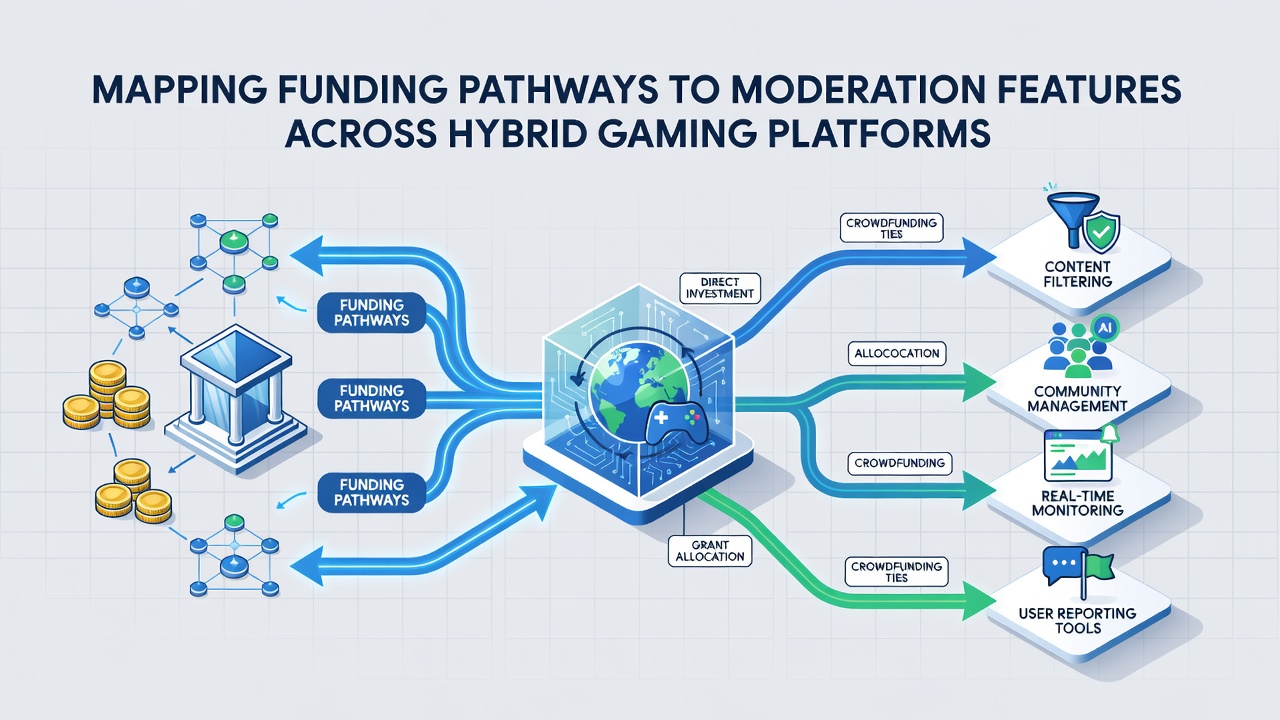
One documented example involves a platform that received partial reimbursement through an Australian initiative while simultaneously drawing from internal North American budgets to fund the same voice-chat monitoring module. Such layered funding arrangements require detailed accounting practices that map each dollar to specific moderation outcomes.
Measurement and Reporting Mechanisms
Platforms document how funds translate into measurable moderation outcomes through quarterly transparency reports that list metrics such as content removal rates, response times for user reports, and staffing levels for review teams. These reports often appear on corporate websites and are referenced by academic researchers studying platform governance. In October 2026 several operators updated their reports to include data on new hybrid features that synchronize moderation decisions across mobile and console instances of the same game title.
Third-party auditors verify portions of this data when regulatory filings demand independent confirmation. The process creates feedback loops where underperforming metrics trigger additional funding reallocations in subsequent budget cycles.
Conclusion
Mapping funding pathways reveals a network of corporate, regulatory, and investment sources that converge on moderation infrastructure for hybrid gaming platforms. Detailed tracking shows how budgets move from allocation through engineering, vendor partnerships, and reporting stages, producing measurable safety features across devices. Continued documentation of these pathways supports compliance with existing rules and informs future policy adjustments in multiple jurisdictions.